
How to Build Your Pro Surfing Career During College
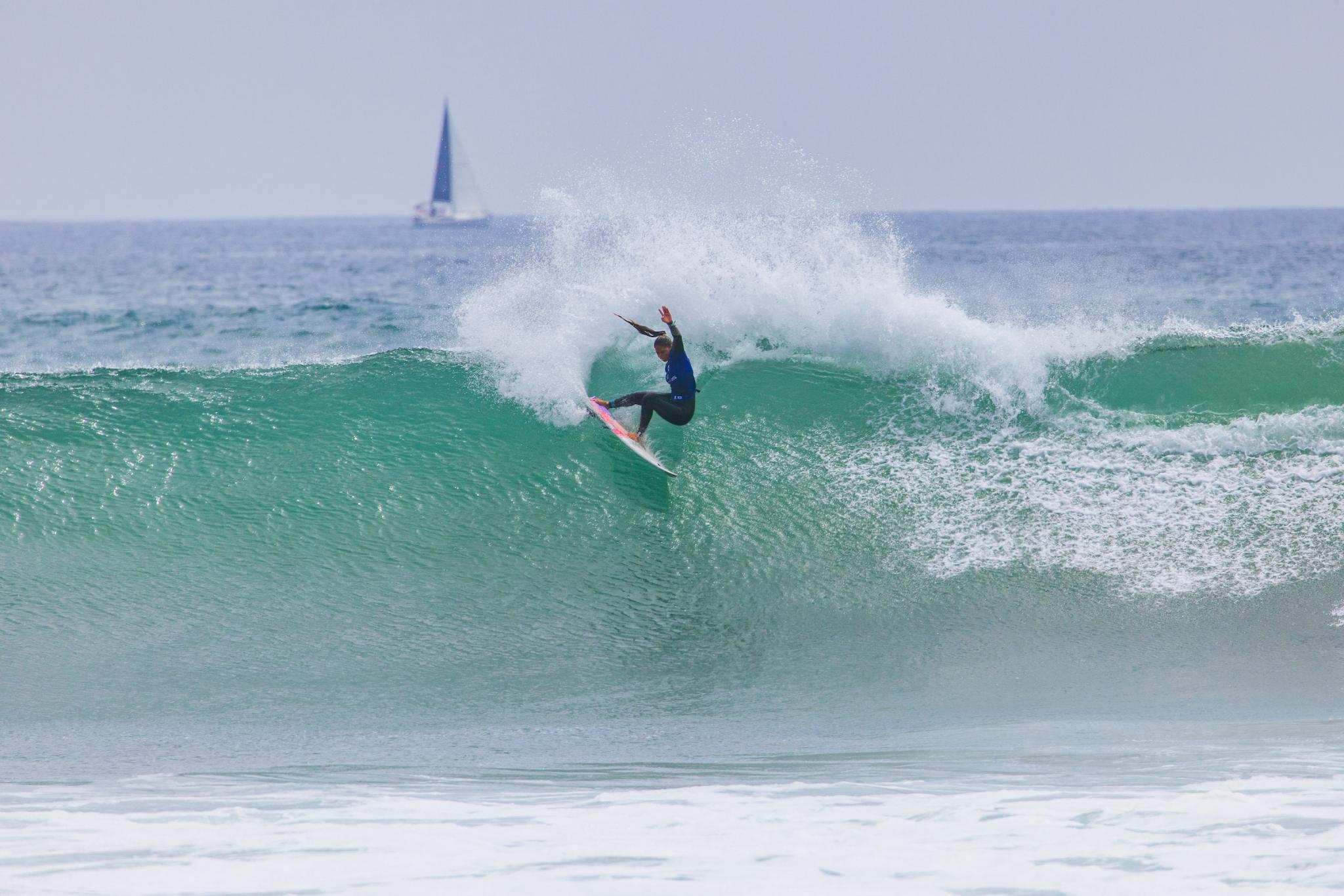
Bettylou Sakura surfing and winning the 2025 Lexus Pro at Trestles. Photo Courtesy Pat Nolan / World Surf League
Building a pro surfing career while earning a degree is tough but possible. Only around 3,000 professional surfers exist worldwide. Most need backup plans when competition ends. A good College or University degree provides that safety net while you chase waves.
Choose the Right School Location
Location matters more than anything for student surfers. Pick a school near quality surf might seem an obvious thing but is not often a top priority while thinking about where to study next. In the US, California, Hawaii, and Florida offer the most options. UC Santa Barbara sits near Rincon and Campus Point. University of Hawaii Manoa puts you close to Ala Moana Bowls and North Shore spots.
Point Loma Nazarene in San Diego overlooks Sunset Cliffs. San Francisco State gives access to Ocean Beach, one of the heaviest beach breaks around. Cal Poly San Luis Obispo sits 15 minutes from Morro Bay with less crowded waves than Southern California. Choose schools where you can surf before or after class.
East Coast options exist too. Coastal Carolina University in South Carolina sits near the Grand Strand. University of North Carolina Wilmington gives access to Wrightsville Beach. Rhode Island's Salve Regina University sits near Ruggles, a powerful point break that attracts pros during hurricane season.
Organising Your Time
Student surfers need strong time management skills. Classes, training, competitions, and coursework all demand attention. Building a weekly schedule helps balance everything.
Writing assignments can pile up during competition season. Many students map out their semester early to spot conflicts. Working with a paper writer platform helps structure your research and writing process more efficiently. Dividing big projects into smaller parts stops people from rushing at the last minute. Time management is what makes some student athletes succeed and others burn out. Before waves and deadlines clash, have a plan for your term or semester. Just like catching the perfect wave, mastering your schedule can help you stay on top.
When you have your time planned, you can focus on the programs and chances that will help you reach your surfing goals.
Building Sponsorships
Sponsorships fund pro surfing careers. Start building relationships with local surf shops. Volunteer at competitions and surf events. Create social media content showing your skills and personality. Brands want surfers who can market products.
Photo and video content matters. Document your sessions and share quality clips. Show progression and style. Tag brands you want to work with. Engage with their content. Build authentic connections, not just transactional relationships.
Enter local and regional competitions. Winning isn't everything but results help. Consistency and improvement catch attention. NSSA competitions provide good exposure for student surfers. Many current pros started in the National Scholastic Surfing Association.
USA Surfing and CSU Global Partnership
USA Surfing, according to the article, partnered with Colorado State University Global in 2024. The program offers online degrees for competitive surfers. Members get a five percent discount on tuition. Full four-year degrees cost $42,000 instead of the standard rate.
The online format lets surfers pause courses during competitions. Students can travel for events and pick up classes when they return. Degree programs include business, criminal justice, IT, and web development. This flexibility helps surfers stay in school while chasing the tour.
Traditional college schedules don't fit competitive surfing. Online options solve that problem. Liam O'Brien, currently ranked 12th in the world, earned his degree while competing. He says more surfers should pursue education.
Key Skills for Success
Pick a major that supports your surfing career. Business helps with sponsorship contracts and owning a surf store in the future. Marketing gets you ready to make content and work with brands. Environmental science connects to ocean conservation work.
Oceanography and marine biology make sense for surfers. These fields let you study waves while earning credentials. Some schools offer surf-specific courses. UNCW teaches Physics of Surfing and History of Surfing. Cal Poly offers Zen of Surfing as a physical education class.
Communications and journalism open doors to surf media. Photography skills help document your career. Many pro surfers transition to content creation after competition. Mikala Jones built careers in both surfing and photography.
Training Around Class Schedules
Schedule morning classes to free afternoon surf time. Most swells peak in afternoon and evening. Early classes let you hit the water when conditions improve. Some students take night classes for maximum surf time.
Kekoa Cazimero, former NSSA National Champion, took 18 credits per semester while surfing. He scheduled classes in the mornings and surfed every afternoon at Bowls or Sandy Beach. His day started early and ended late but both areas got attention.
Cut time wasters. Turn off the TV. Limit social media scrolling. These habits steal hours that could go toward waves or studying. Every minute counts when building two careers at once.
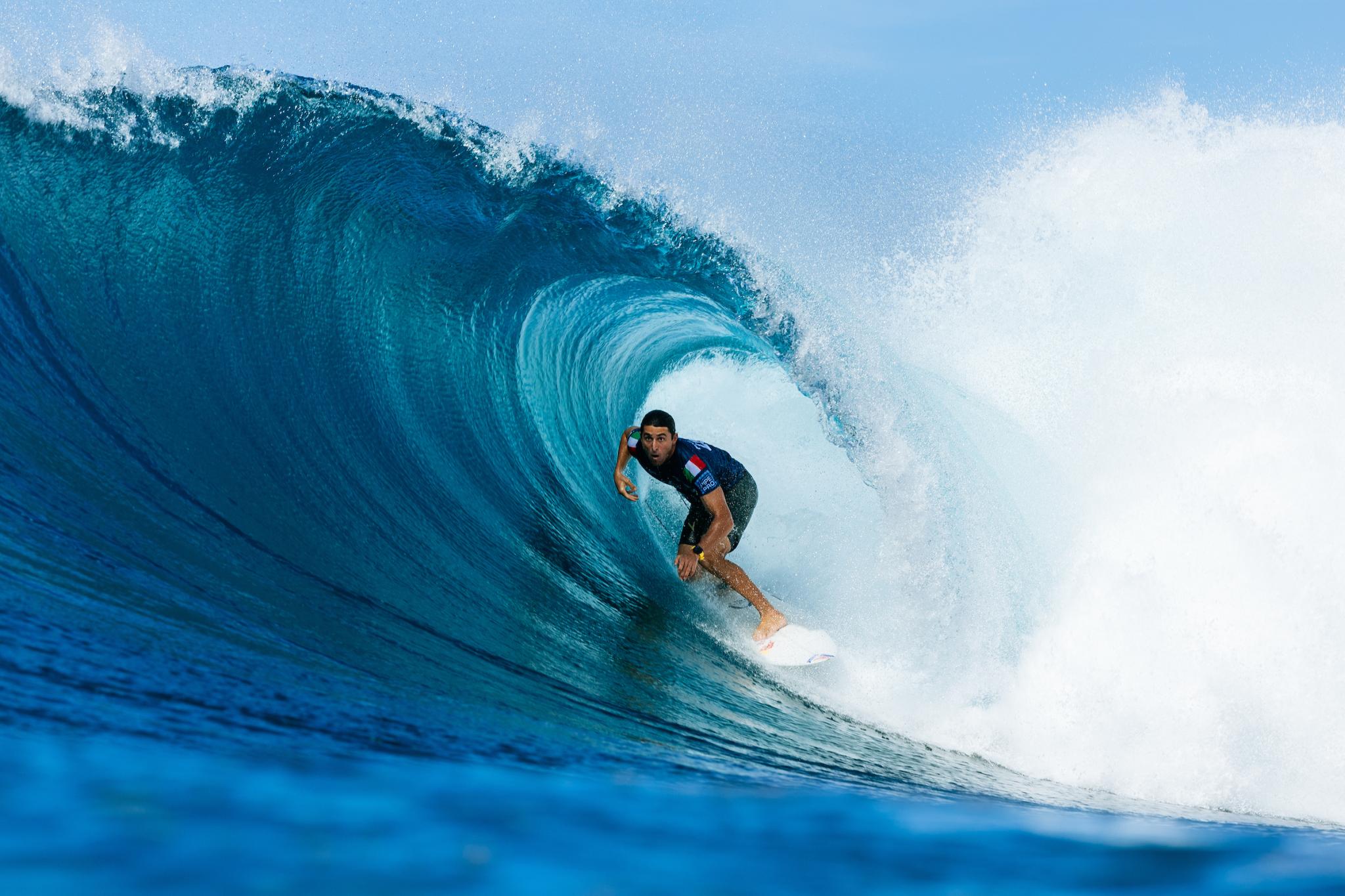
Imagine studying with the break on the doorstep. Photo: Leonardo Fioravanti at Pipeline Courtesy: Brent Bielmann / World Surf League
Competition Strategy
Pick competitions smart. Don't enter every event. Focus on regional contests first. Build results before chasing national tours. Travel costs money and pulls you from school.
Summer break offers the best competition window. Classes pause and you can travel freely. Use semester breaks for major events. Schedule light course loads during known competition periods.
Talk to professors early about travel plans. Most understand student athletes have commitments. Missing a few classes for competitions won't tank your grades if you communicate and stay current with work.
Alternative Career Paths
Pro competition isn't the only surf career. Surf instruction provides steady income. Schools and camps need qualified teachers. Share your skills while earning money for gear and travel.
Surf coaching offers another option. Help younger surfers develop technique. Many coaches earn decent lives working with aspiring pros. Video analysis and performance coaching have become specialised fields.
Event organisation connects you to the industry. Competitions need staff, judges, and coordinators. These roles build networks and industry knowledge. Some surfers prefer working behind the scenes to competing.
Physical Preparation
College athletes have access to training facilities. Use them. Strength training improves paddling power and endurance. Core work enhances balance and board control. Flexibility prevents injuries.
Cross-training helps when waves go flat. Swimming builds paddling strength. Running improves cardiovascular fitness. Yoga increases flexibility and mental focus. Mix training types to avoid burnout.
Nutrition matters more as intensity increases. Regular student food won't cut it for serious athletes. Learn to cook simple, healthy meals. Protein, complex carbs, and healthy fats fuel performance. Stay hydrated before and after sessions.
Mental Game Development
Pro surfing demands mental toughness. Competition pressure increases as stakes rise. Develop coping strategies early. Meditation helps manage stress. Visualisation improves performance under pressure.
Set realistic goals for both surfing and school. Track progress in both areas. Celebrate small wins. Don't expect perfection. Bad heats and failed tests happen. Learn from mistakes and move forward.
Build support systems. Connect with other student surfers. They understand the challenges. Find mentors who balance similar pursuits. Their experience provides valuable guidance.
Final Thoughts
Building a pro surfing career during college requires dedication and planning. Choose schools near quality surf. Manage time well. Pursue relevant degrees. Build sponsorships through consistent performance and content. Use campus resources for training and education.
Very few surfers make full livings from competition alone. College provides backup options and real-world skills. The best approach combines passion for surfing with practical career planning. Your degree becomes insurance when competition ends.
Student surfers who succeed treat both pursuits seriously. Neither surfing nor school gets shortchanged. Balance takes work but creates more opportunities later. Whether you make the tour or transition to other surf industry roles, college experience opens doors that surfing alone cannot.