
Why the Betting Markets Are Sleeping on the Air Show
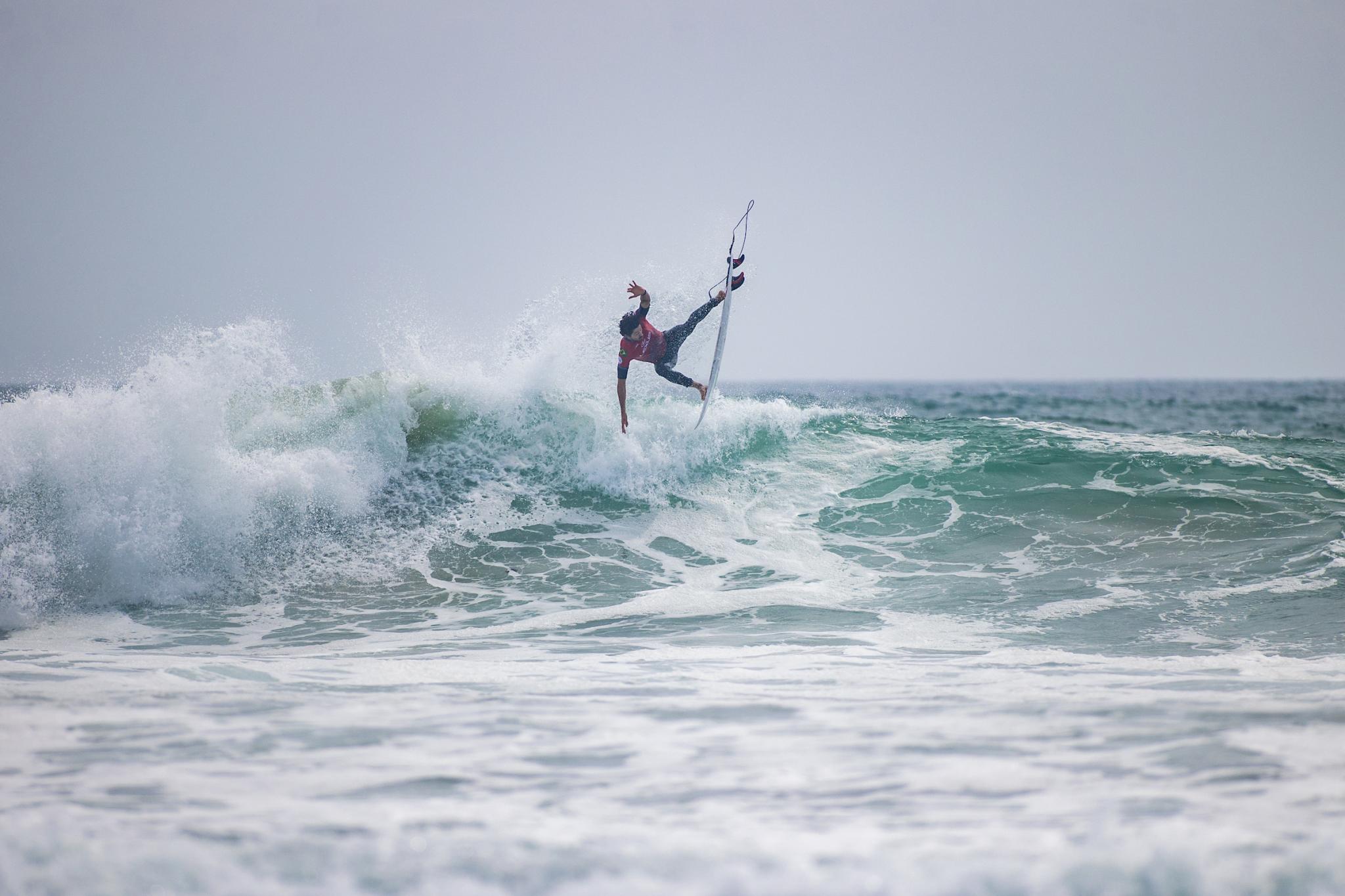
The Championship Tour (CT) has felt a bit like a broken record lately. Same faces. Same top five. Same predictable heats where a safe safety turn gets a 6.5 and everyone goes home happy. But if you look at the 2026 rookie class, the script is about to get shredded. The "New Guard" isn't just here to fill the numbers; they are here to burn the tower down.
Let’s call it what it is: a monopoly. For the last few years, the yellow jersey has basically been a timeshare between a handful of Brazilian powerhouses and a couple of Hawaiian heavyweights. They figured out the formula. They know exactly what the judges want to see at Sunset Beach and Bells. They surf to the criteria. It’s effective, it’s profitable and it is incredibly stale.
The betting markets reflect this boredom. If you look at the preseason projections on a data hub like TheLines Source, the smart money is heavily weighted toward experience. The algorithms love consistency. They love the guy who has made the cut five years in a row. They look at a rookie coming off the Challenger Series and see "risk."
That is a fundamental misreading of the room. The risk in 2026 isn't betting on the unknown; the risk is assuming the criteria from 2024 will hold up against what these kids are doing above the lip. The veterans are surfing to protect a lead. The rookies are surfing like they have nothing to lose, because they don't.
The Challenger Series Meat Grinder
To understand why this specific class is undervalued, you have to look at the hell they just survived. The coming 2025-26 Challenger Series (CS) is not a "development league." It is a gladiator pit.
You are throwing 90 of the hungriest surfers on earth into four-man heats at often mediocre beach breaks. There is no priority for the first ten minutes. There is no waiting for the perfect set wave. It is a scrap. You have to manufacture a score out of six inches of crumble while three other people are paddling up your inside.
The Air Invasion vs. The Rail Game
There is a stylistic civil war brewing. The establishment loves rail work. They love the heavy, gouging carve. But the 2026 class grew up on a different diet. They didn't study occult tapes of Curren; they studied 15-second clips on Instagram where the only thing that matters is rotation.
We are seeing a shift in the hardware to match this. The new guard isn't riding the same standard thrusters that have been the industry standard for thirty years. They are tweaking volumes, shortening rails and experimenting with epoxy constructions that allow for faster twitch responses.
If you are an everyday surfer looking to emulate this snappy, responsive style, you can't just grab a standard off-the-rack stick. You need to understand the mechanics. You can check out a comprehensive guide to surfboard shapes here to see how tail shapes and rocker profiles influence that ability to release the fins. The rookies are riding equipment that looks twitchy to the older generation, but it allows them to fit manoeuvres into sections that shouldn't be surfable.
The Trestles Problem
This all culminates at the Finals. The current WSL format ends at Lower Trestles, a high-performance skatepark of a wave. This is where the valuation of the "New Guard" is most off.
You cannot win Trestles in 2026 with a safety turn. You just can't. If the title comes down to a surf-off at Lowers, the advantage swings violently toward the surfer who has the muscle memory for a full rotation reverse. The veterans have to train for that; the rookies have been doing it since they were twelve.
The disconnect is that the tour schedule still has waves like Margaret River and Bells Beach that favor the old school. But the "cut" and the "finals" favor the new school. The rookies don't need to win every event; they just need to survive the heavy water legs and then unleash the air show when the tour pivots to high-performance waves.
The "Fear Factor" is Gone
Ten years ago, drawing a World Champion in Round 3 was a death sentence. You could see the rookie crumble before they even paddled out. The aura was too strong.
That aura is dead. The 2026 class doesn't care who you are. They have seen the top pros look mortal on social media. They have surfed against them in expression sessions. The reverence is gone, replaced by a sort of respectful predatory instinct.
When a rookie paddles out against a legend now, they aren't thinking about getting an autograph. They are thinking about sending them into retirement. We saw flashes of this last year, but 2026 is the year the dam breaks. The deference is over.
Watch the Early Rounds
The oddsmakers and the pundits are looking at the leaderboard from last December. That is ancient history. Surfing moves fast.
The value this season isn't in backing the guys who have already bought their houses on the North Shore. The value is in the hungry kids who are still sleeping on couches. They are undervalued because their data hasn't been written yet. But if you wait until the data is clear, you missed the payout.
Don't tune in for the Finals; tune in for the Elimination Round at the first event. That is where the guard changes. It won't be polite, and it won't be tidy. It’s going to be a riot. And frankly, it’s exactly what the sport needs. The beautiful excitment of uncertainty.